


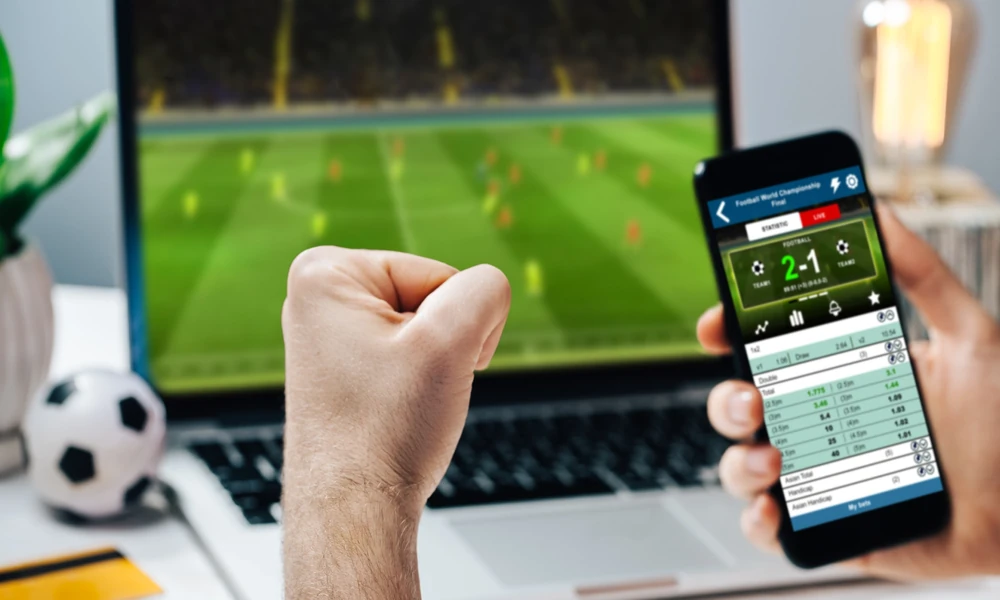
Mobile technology is steadily changing the entertainment landscape in Burkina Faso. Smartphones now provide access to social networks, music, video, news, traditional mobile games and interactive sports platforms. Activities that once required a computer, television or physical location are increasingly available through a single portable device.
This transformation is part of a wider digital trend across West Africa. More affordable smartphones, expanding mobile networks and the growing use of digital payments are helping online services reach a broader audience. At the same time, local conditions continue to influence which platforms succeed and how people use them.
For game developers and online service providers, understanding these conditions is essential. A platform designed for users with expensive devices and unlimited high-speed internet may not perform equally well in Burkina Faso. Successful mobile services need to balance attractive content with accessibility, efficient data use and clear navigation.
Smartphones Are the Main Point of Access
In many markets, digital games were originally developed for computers and later adapted to mobile devices. In Burkina Faso, it often makes more sense to take the opposite approach and design for smartphones from the beginning.
A mobile-first service should work comfortably on a smaller screen. Menus need to be concise, buttons easy to select and text readable without enlargement. Important sections should remain accessible without requiring users to pass through several pages.
Device compatibility is another consideration. Not everyone uses the latest smartphone, so games and websites should not depend on unusually powerful processors or large amounts of memory. Lightweight graphics and efficient code can make a service available to more people.
Browser-based platforms may have an advantage in this respect. They allow users to access content without downloading a large application. However, applications can offer other benefits, such as notifications, faster repeat access and limited offline functionality. The most appropriate format depends on what the service is intended to provide.
Mobile Data Shapes the Experience
The quality of a mobile game is not determined by its graphics alone. Data consumption and loading speed can be equally important for users who rely on mobile connections.
Large updates, automatic videos and uncompressed images may consume a significant amount of data. They can also cause delays when the connection is unstable. Developers can address these problems by offering lower-resolution options, compressing files and loading only the content required for the current screen.
A well-designed platform should also respond clearly when the connection is interrupted. If a page cannot update, the user needs to know whether an action was completed. This is especially important when a service includes account registration or financial transactions.
Games that can preserve progress after a temporary connection failure generally offer a more dependable experience. Users should not lose an entire session because of a short interruption outside their control.
Different Types of Games Serve Different Audiences
Mobile gaming includes a wide variety of formats. Some users prefer simple puzzle or strategy games that can be played for a few minutes, while others are interested in competitive multiplayer titles, sports simulations or live interactive services.
Casual games are often accessible because they require little preparation. They may be played during a short break and do not necessarily depend on a continuous connection. Competitive games, by contrast, usually require more stable internet access and may involve communication with other players.
Football-related content occupies a particularly visible position in the regional market. Supporters can follow scores, read team news, play football simulations and participate in prediction-based activities. International leagues attract substantial attention, but African competitions and national-team matches are also relevant.
Readers interested in online gaming in Burkina Faso can use locally focused resources to examine how different platforms, sports features and payment options are presented for the national market. Conditions can vary considerably between services, so comparison is useful before creating an account or making a payment.
Localization Is More Than Language
French-language support is important in Burkina Faso, but translation alone does not make a platform local. A properly adapted service should also consider currency, time zones, payment methods and the interests of its intended audience.
Prices and account balances should be displayed clearly in CFA francs. Sporting events should appear in local time, while customer-support schedules should state when assistance is actually available to users in the country.
The content itself also needs to be relevant. A sports platform that shows only a narrow selection of overseas competitions may overlook regional interests. Similarly, promotional examples designed for another continent may not feel useful to local users.
Good localization removes unnecessary uncertainty. Users should not have to convert currencies, calculate time differences or investigate whether a listed payment method works in their country.
Digital Payments Influence Accessibility
Mobile money has become an important part of digital commerce across the region. It allows users to transfer funds and pay for services without always needing a conventional bank account or international card.
For gaming platforms that include paid content, the payment process should be transparent. Before confirming a transaction, the user should be able to see:
-
the exact amount being transferred;
-
any applicable fees;
-
minimum and maximum limits;
-
the expected processing time;
-
the method for requesting assistance.
After a transaction is submitted, its status should be shown clearly. Labels such as pending, completed and unsuccessful need to be explained in plain language. A transaction history should also be available from the account area.
Payment convenience should be accompanied by security. Verification codes and account passwords should never be shared with another person. Users should also confirm that they are visiting the official version of a website rather than a similar-looking copy.
Clear Design Creates Confidence
Trust is closely connected to design. This does not mean that every trustworthy platform must look expensive or complex. In fact, a clear and restrained interface may inspire more confidence than a page filled with flashing banners and urgent promotional messages.
Users should be able to find essential information about the service, including its rules, privacy policy, account procedures and support options. If financial transactions are available, the conditions for deposits and withdrawals should be easy to locate.
Error messages should explain what happened and what the user can do next. A message that simply says something went wrong offers little practical help. More specific guidance can reduce confusion and prevent repeated actions.
Consistency also matters. Buttons, menus and account information should behave in the same way throughout the platform. Unexpected changes in layout can make users uncertain about whether they are still using the same service.
Promotions Require Careful Reading
Some online gaming services use promotions to attract new users. These offers may include additional account credit, temporary access to features or rewards linked to particular activities.
The headline value does not always explain the complete offer. Conditions may include a limited activation period, minimum participation requirements or restrictions on how promotional funds can be used.
Before accepting an offer, users should review:
-
who is eligible;
-
whether a payment is required;
-
how long the offer remains active;
-
which games or events qualify;
-
whether withdrawal conditions apply.
Platforms can make this process easier by displaying the essential rules next to the offer rather than placing them only in a separate document. Progress indicators are also useful when users need to complete certain conditions.
Promotions should be regarded as optional features, not as guaranteed financial advantages.
Security and Account Protection
Gaming accounts may contain personal information and transaction records. They should therefore be protected in much the same way as other important online accounts.
A strong password that is not reused on another service is a sensible starting point. Additional login verification can offer further protection when it is available.
Users should be cautious if they receive messages requesting passwords, payment codes or identity documents through unofficial channels. Legitimate support representatives should explain why information is required and provide a secure method for submitting it.
Platforms also have responsibilities. They should protect transmitted information, notify users about important account changes and provide a straightforward recovery process. Identity verification requirements should be explained before they become necessary, particularly when they may affect withdrawals.
Responsible Participation
Mobile games are designed to hold attention, and some can be played continuously. Notifications, daily rewards and frequently updated content may encourage users to return several times a day.
Enjoyment is easier to maintain when digital entertainment remains balanced with other activities. Screen-time reminders and notification controls can help users decide when they want to interact with a game.
Extra care is appropriate when a platform involves real-money transactions. Users should decide in advance how much they can comfortably spend and avoid using money needed for essential expenses. Paid gaming should be treated as entertainment, not as a dependable source of income.
Responsible platforms can support this approach through spending limits, session reminders, temporary breaks and self-exclusion functions. These controls should be clearly visible and simple to activate.
The Future of Gaming in Burkina Faso
Mobile gaming in Burkina Faso is likely to become more varied as devices, connectivity and payment infrastructure continue to develop. Localized content, regional competitions and lighter platform technology may help services reach users beyond the largest urban areas.
Progress will not depend solely on faster networks or more advanced graphics. Accessibility, transparent rules, security and responsible design will remain equally important.
Platforms that understand local users are better positioned to provide a reliable experience. This means supporting realistic device specifications, familiar payment methods, relevant content and clear French-language information.
For users, the expanding market offers more choice. It also increases the importance of comparing services and understanding their conditions. When technology and informed decision-making develop together, mobile gaming can become a more accessible and dependable part of Burkina Faso’s wider digital entertainment sector.
